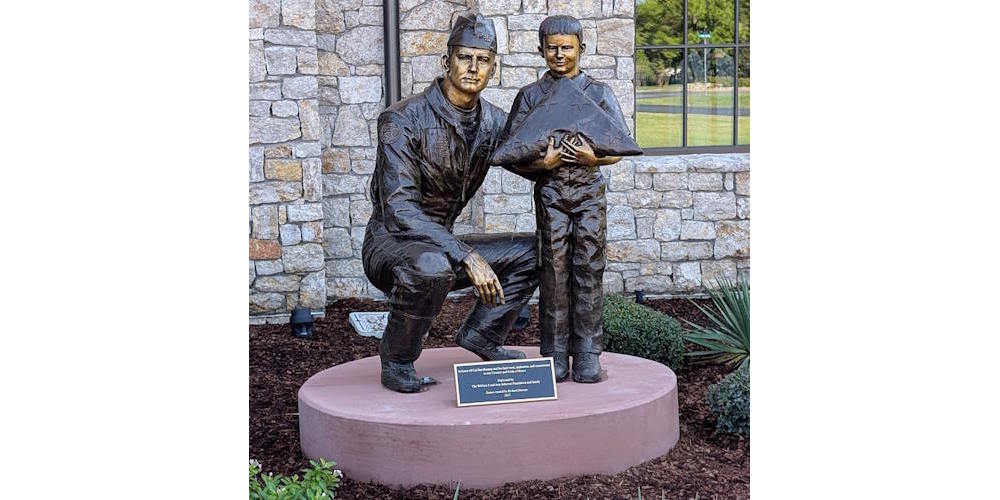
The Photograph That Inspired the Bronze Tribute
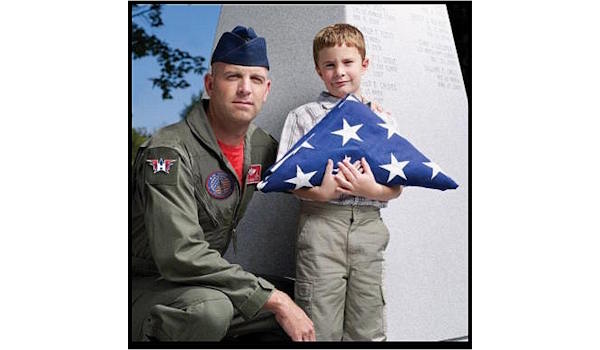
Lt. Col. Dan Rooney with Jacob Green, the photograph that inspired the custom bronze tribute created for Folds of Honor.

This original photograph of Lt. Col. Dan Rooney and Jacob Green that inspired the custom bronze tribute created for Folds of Honor.

Some bronze sculptures commemorate history. Others preserve a mission. This bronze tribute does both. Inspired by the original photograph of Lt. Col. Dan Rooney and Jacob Green, the sculpture was created to capture the emotion, patriotism, and purpose represented in that unforgettable moment. Every element—from their expressions and clothing to the carefully folded American flag—became an important part of transforming the photograph into a permanent bronze tribute for Folds of Honor.

Bronze Depot was honored to transform that vision into a lasting bronze tribute by combining advanced 3D facial scanning technology with the centuries-old lost-wax bronze casting process. From the original concept sketch to the finished bronze sculpture, every stage of the project was documented, demonstrating how modern digital technology and traditional bronze craftsmanship come together to create museum-quality bronze art that will endure for generations.

From Digital Scan to Physical Prototype
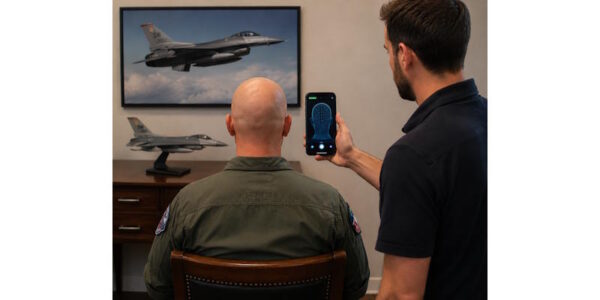
3D facial scanning of Lt. Col. Dan Rooney for a custom bronze tribute created for Folds of Honor.
Advanced 3D facial scanning captures precise facial measurements
                                         that serve as the digital foundation for the Dan Rooney bronze tribute.

When the facial scan was complete, the digital data was processed into a highly accurate three-dimensional model. Every contour, proportion, and facial feature was accurately preserved to create a precise digital representation of Lt. Col. Dan Rooney. This digital model became the foundation for the next stage of the process, providing the sculptor with an exceptionally accurate reference before work began on the clay sculpture.

When the digital model was finalized, it was transformed into a physical prototype using advanced 3D printing technology. Layer by layer, the printer reproduced the digital file with remarkable accuracy, creating a detailed three-dimensional prototype of Lt. Col. Dan Rooney’s head. This printed prototype allowed the sculptor to study the likeness from every angle, verify facial proportions, and maintain consistency as the life-size clay sculpture was developed. By combining advanced digital technology with traditional sculpting techniques, Bronze Depot established a precise foundation before the first piece of clay was ever applied.
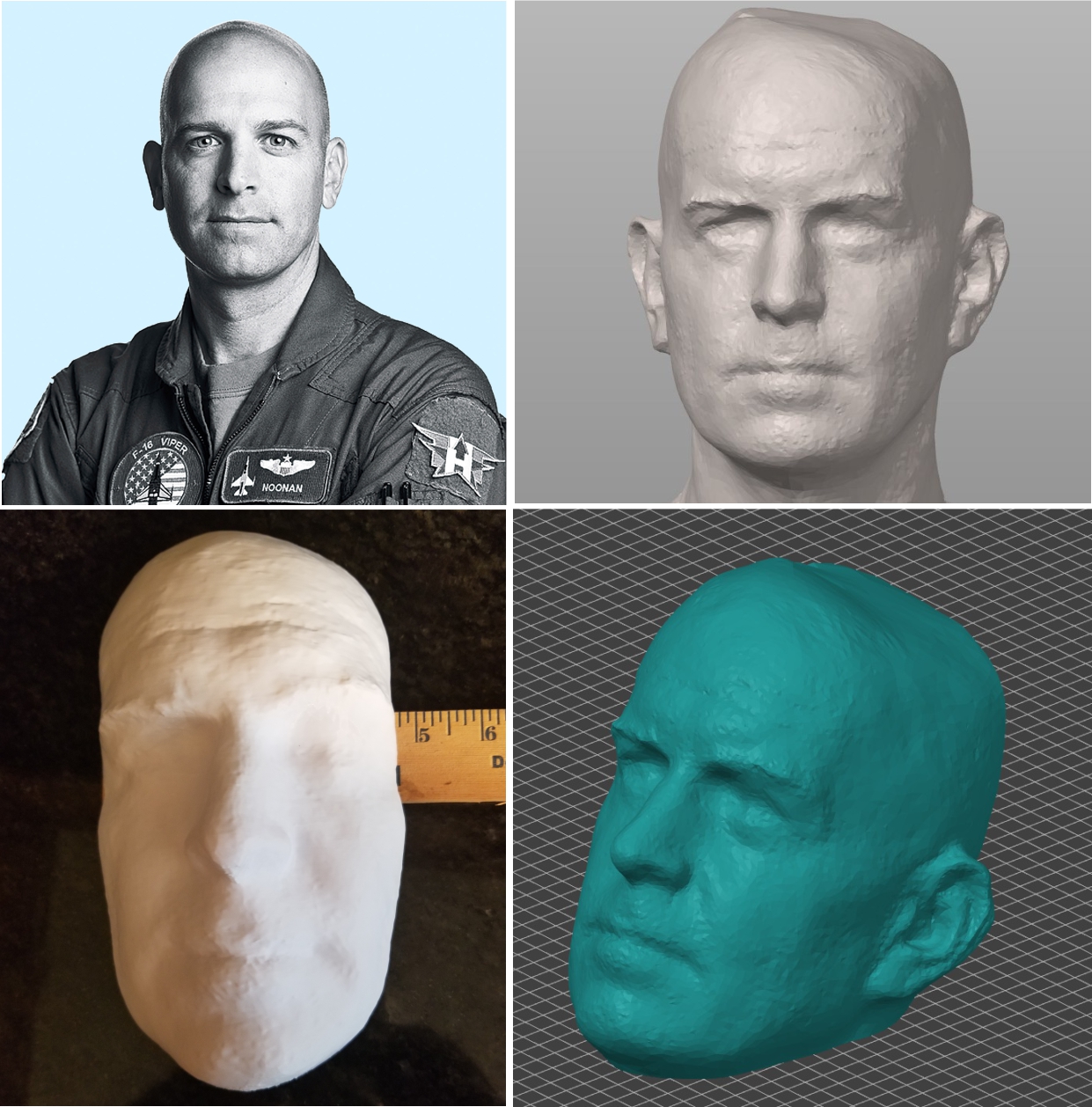
Digital workflow showing the transformation of Lt. Col. Dan Rooney from a facial photograph to a 3D scanned model and printed prototype for the custom Folds of Honor bronze tribute.
This four-image sequence illustrates the digital workflow used to create the Dan Rooney bronze tribute. Beginning with the original photograph, advanced 3D facial scanning captured an accurate digital model that was transformed into a 3D printed prototype, providing the sculptor with a precise physical reference before traditional clay sculpting began.

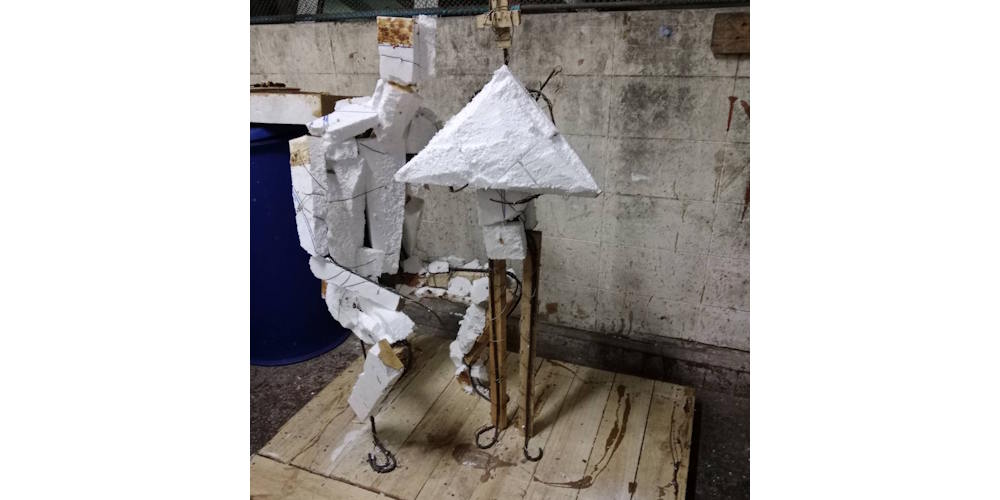
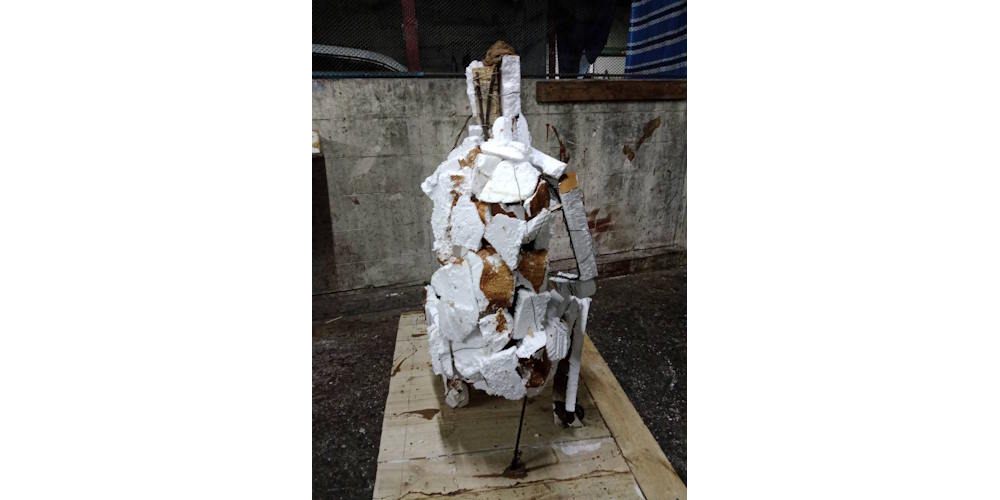
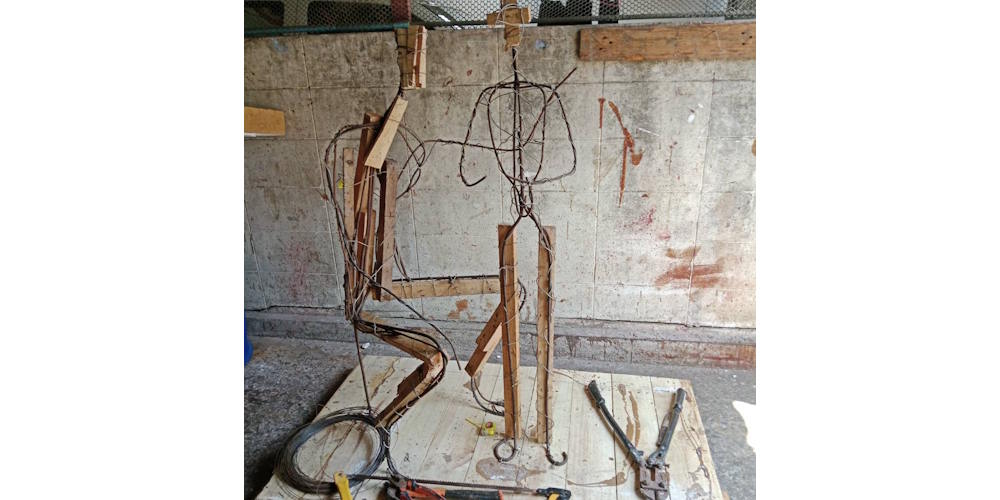
Building the Internal Support Structure
Final Clay Refinement

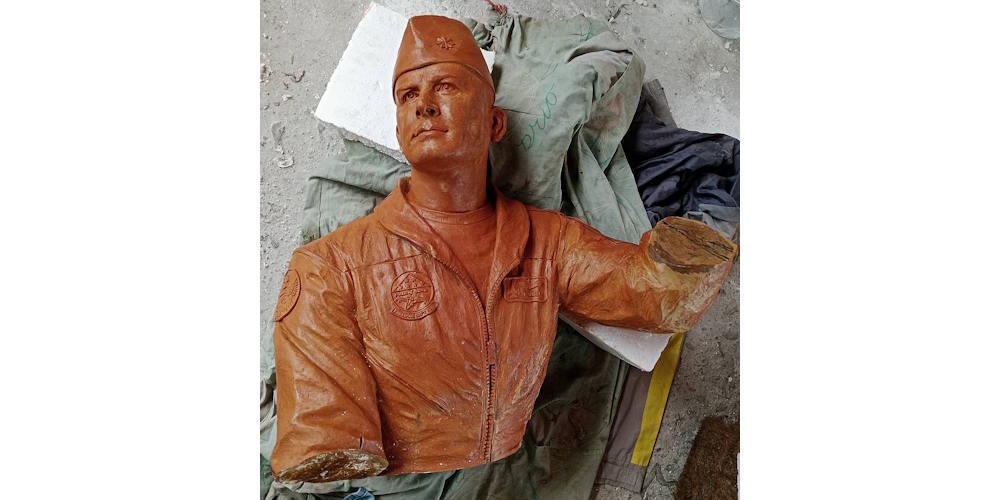
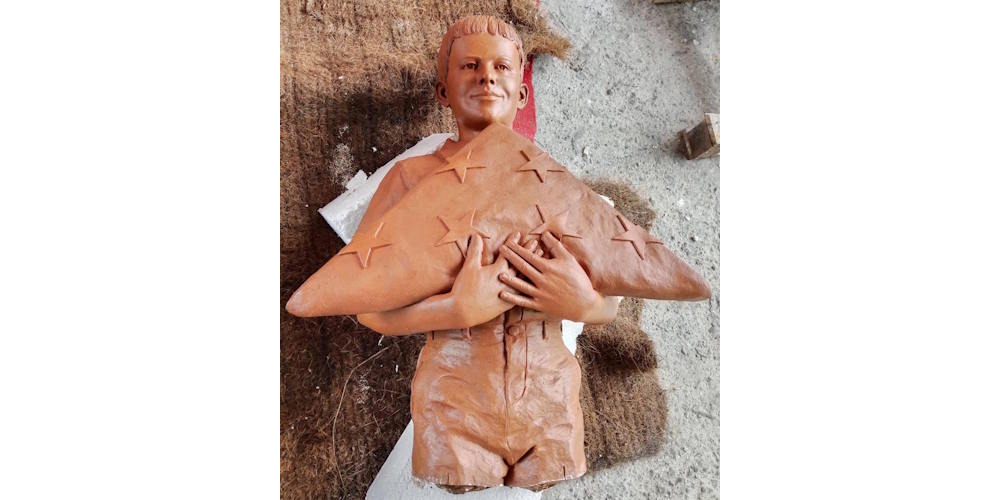
With the primary clay forms established, the sculptor began the painstaking process of refining every detail. Using the 3D printed prototype, reference photographs, and artistic expertise, subtle adjustments were made to the facial features, posture, clothing, and proportions until the sculpture accurately reflected Lt. Col. Dan Rooney’s likeness. As the sculpture progressed, every surface was carefully shaped by hand, from the natural folds of the uniform to the smallest facial expressions and insignia. This stage required countless hours of observation and refinement, ensuring the finished clay sculpture captured both the physical likeness and the character of the subject before mold making began.

Sculptor refining the clay likeness of Lt. Col. Dan Rooney using the 3D printed prototype and digital reference to create a custom bronze tribute for Folds of Honor.
Using the 3D printed prototype as a guide, the sculptor carefully refined the life-size clay sculpture before mold making and bronze casting began.

Completed Life-Size Clay Sculpture

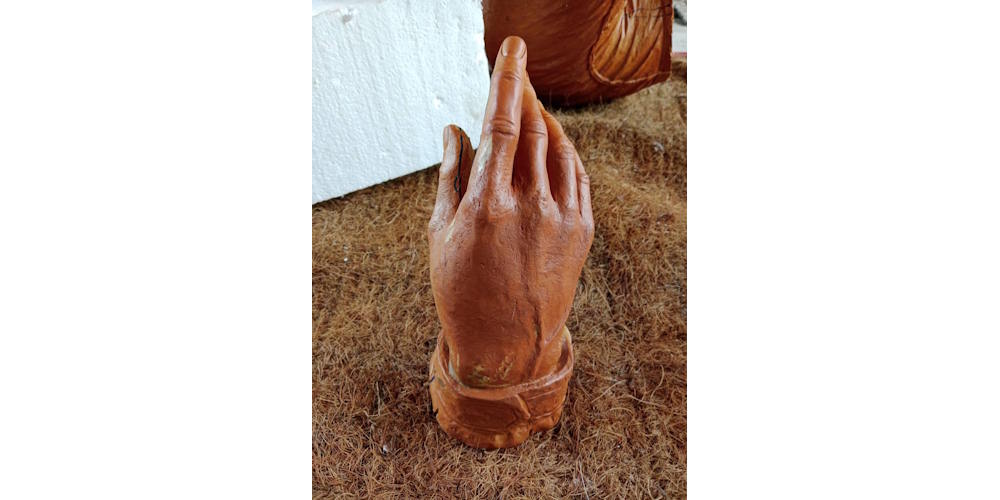
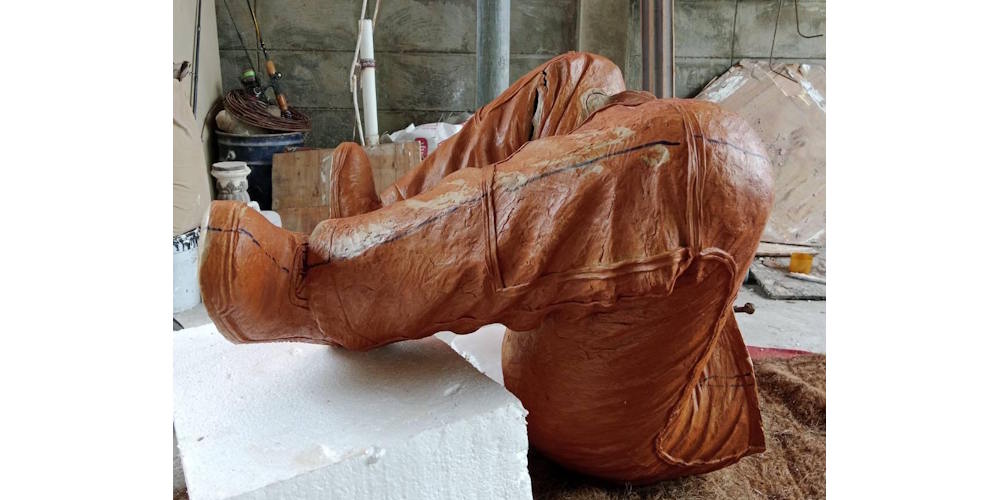
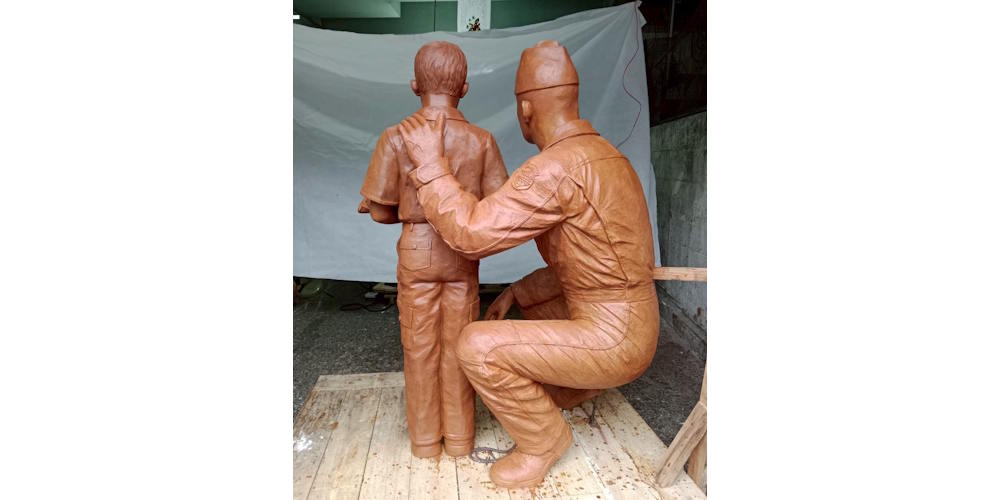
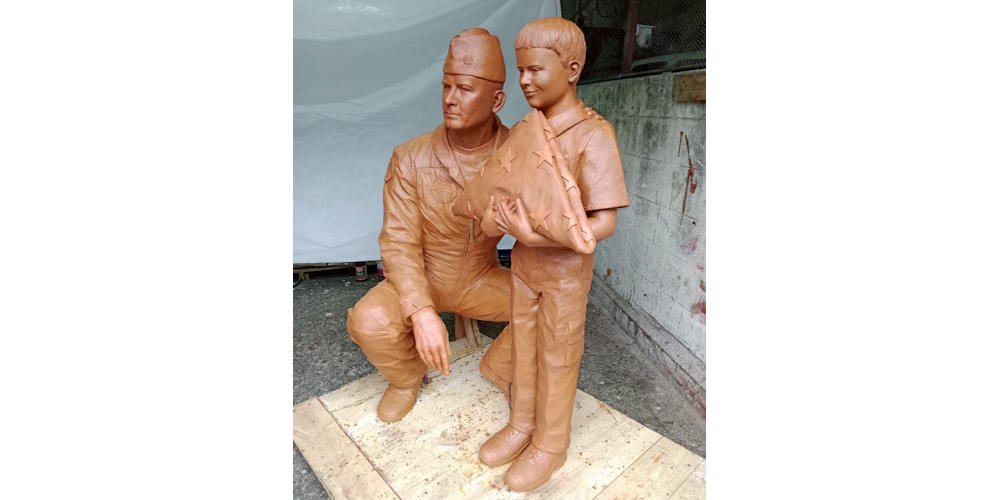
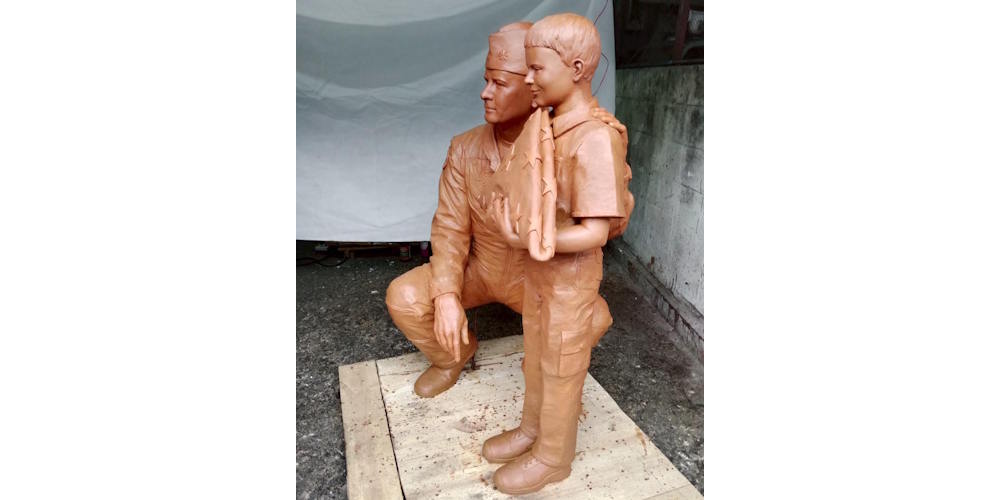
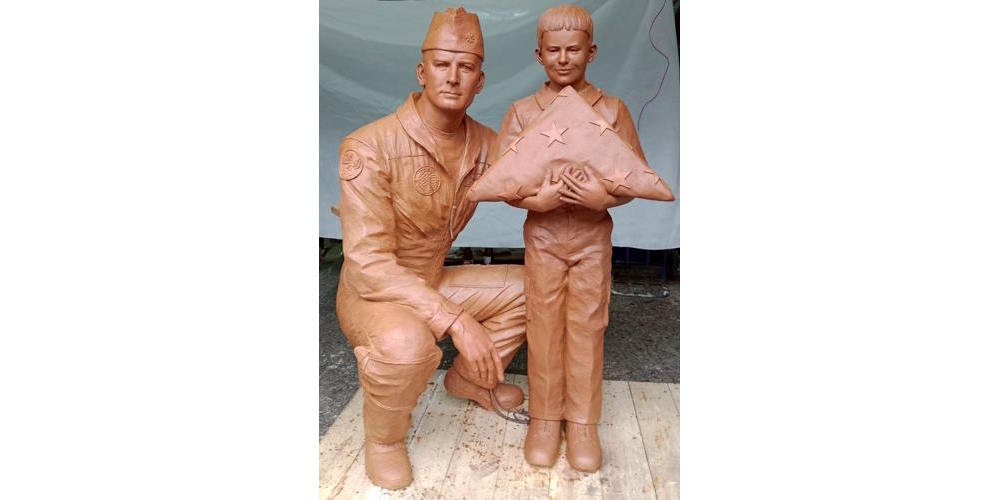
After countless hours of sculpting, refinement, and comparison with reference photographs, the life-size clay sculpture of Lt. Col. Dan Rooney and Jacob Green was finally completed. Every facial feature, uniform detail, body proportion, and expression was carefully perfected by hand to accurately capture both the likeness of the subjects and the emotional significance of the tribute. Before the mold-making process could begin, the finished clay sculpture was thoroughly inspected from every angle to ensure every detail met the highest standards of accuracy and craftsmanship. These images document the completed clay sculpture just before it entered the next stage of the traditional lost-wax bronze casting process.

Preparing the Clay Sculpture for Mold Making

Before the bronze casting process can begin, the completed clay sculpture must be carefully divided into individual sections. Each section is strategically separated along natural seams so flexible rubber molds can be created without damaging the finished sculpture. Every piece is labeled and documented to ensure perfect alignment during reassembly. Although it may appear destructive, this is a critical step in the traditional lost-wax bronze casting process and allows every detail of the original clay sculpture to be faithfully reproduced in bronze.

Creating the Rubber Molds

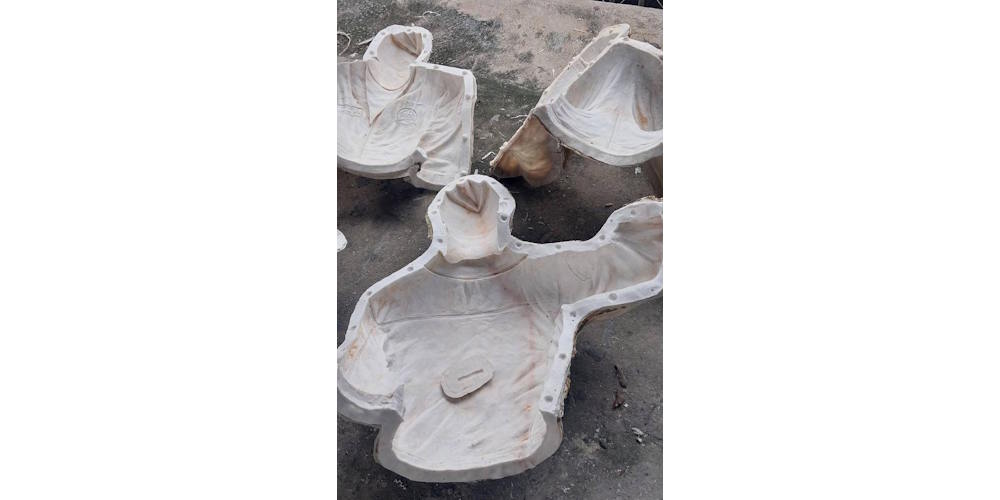
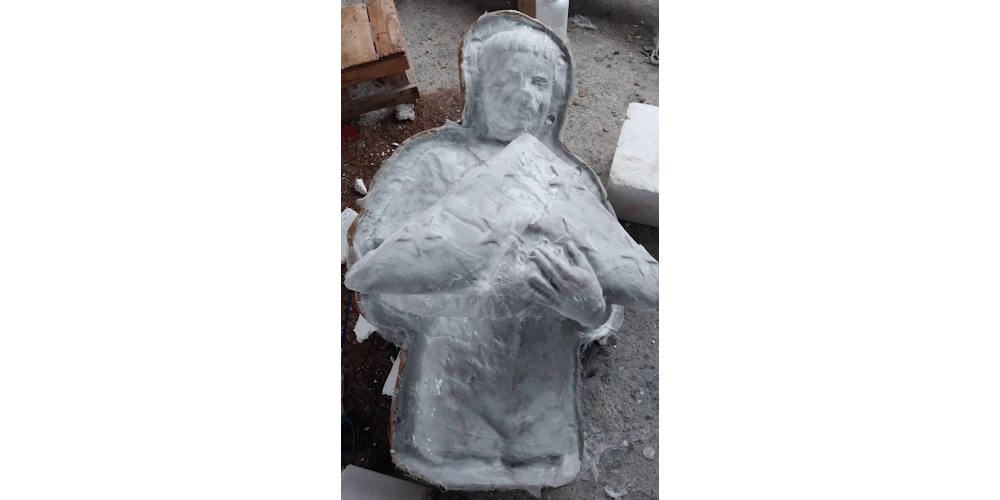
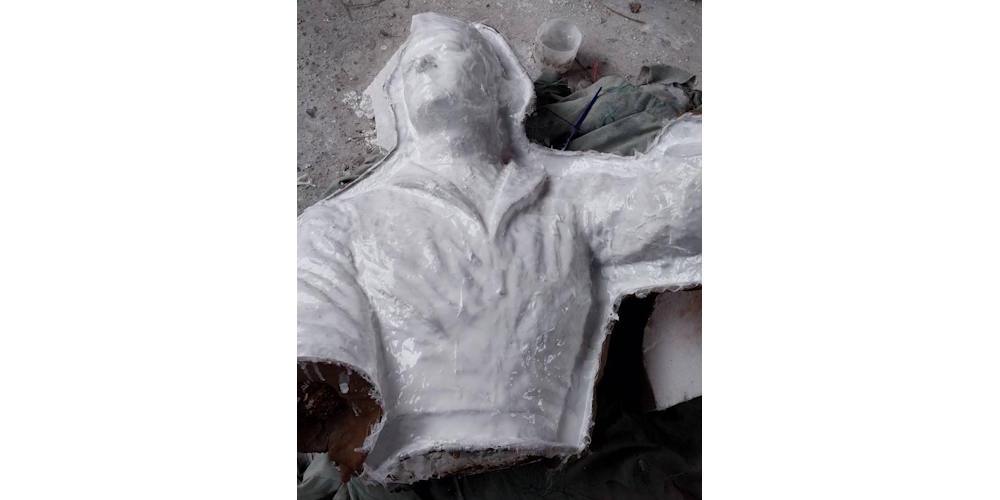
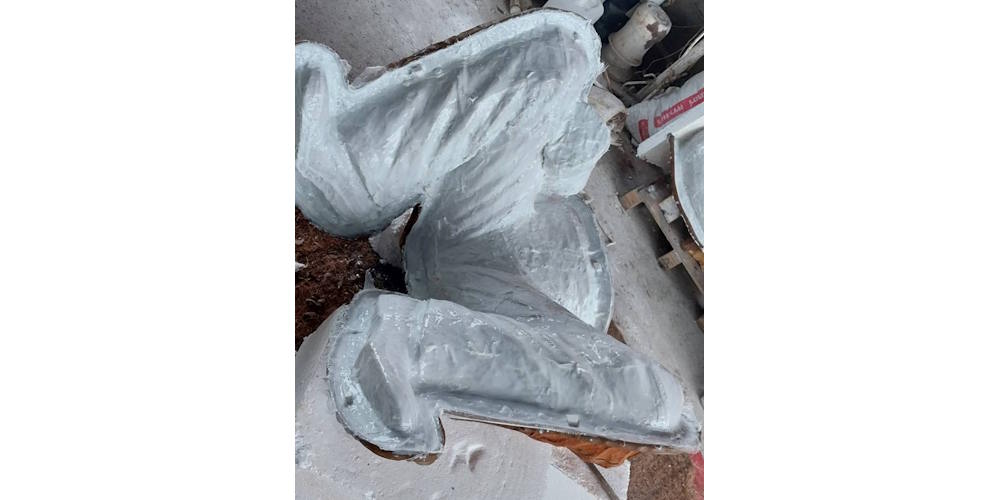
With the clay sculpture separated into individual sections, mold making could begin. Skilled mold makers carefully applied multiple layers of flexible rubber over each clay component, capturing every contour, texture, and sculpted detail. Once the rubber cured, a rigid fiberglass mother mold was created around each section to provide strength and maintain the mold’s exact shape. Together, the rubber mold and fiberglass shell formed a precise negative impression that would be used to produce wax replicas for the traditional lost-wax bronze casting process.

Bronze Casting: Transforming Wax Into Solid Bronze

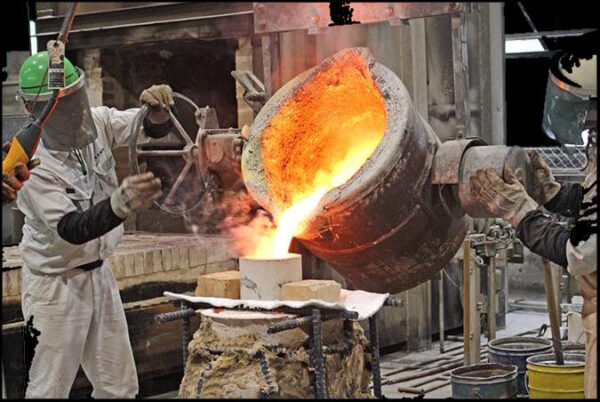
Once the ceramic shells had completely cured, they were heated in a kiln to melt away the wax, leaving a hollow cavity that precisely matched the original sculpture. Molten bronze, heated to more than 2,000°F (1,093°C), was then carefully poured into each ceramic shell. After the bronze cooled and solidified, the ceramic shell was broken away to reveal the rough bronze casting. Each bronze section was cast individually before being welded, hand-finished, and assembled into the completed memorial.

Molten bronze being poured into a ceramic shell mold during the traditional lost-wax bronze casting process.
Representative image of molten bronze being poured into a ceramic shell mold during the traditional lost-wax bronze casting process used to create museum-quality bronze sculptures.

Metal Chasing: Blending Every Bronze Section by Hand

Although the memorial is cast in multiple bronze sections, the finished sculpture appears as a single seamless work of art. Skilled craftsmen carefully weld each individual casting together before beginning the painstaking process known as metal chasing. During metal chasing, every weld is ground smooth and the original sculpted detail is recreated entirely by hand. Uniform folds, facial features, equipment, boots, insignia, and every fine texture are meticulously restored until no evidence of the individual castings remains. The result is a museum-quality bronze memorial that faithfully preserves every detail of the original clay sculpture.

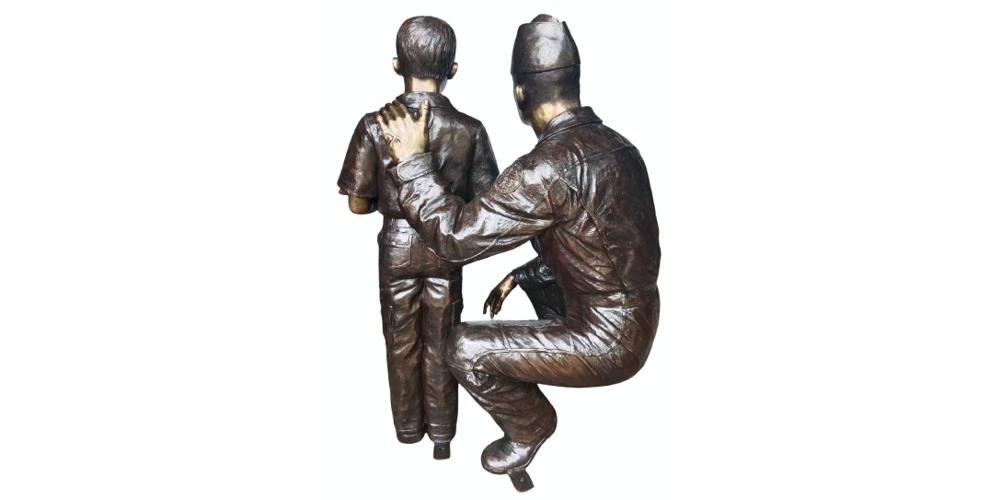
The Completed Bronze Tribute

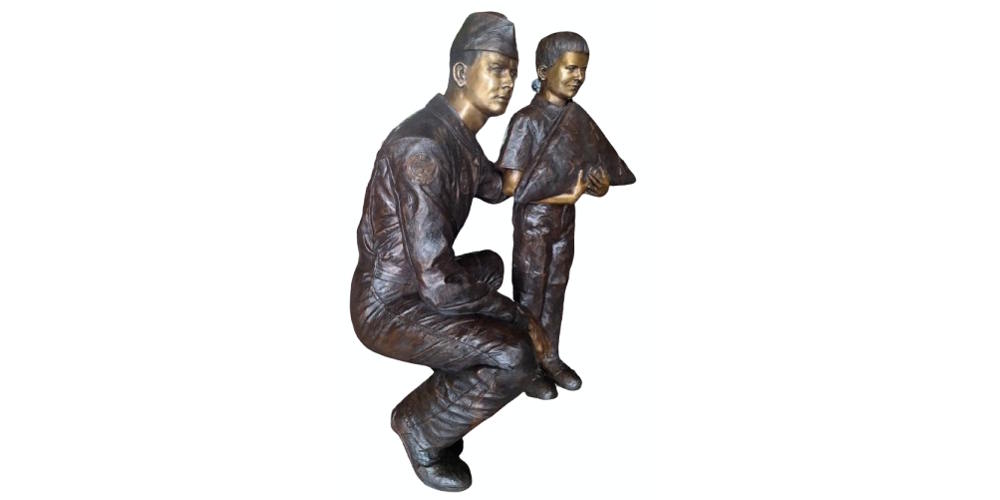
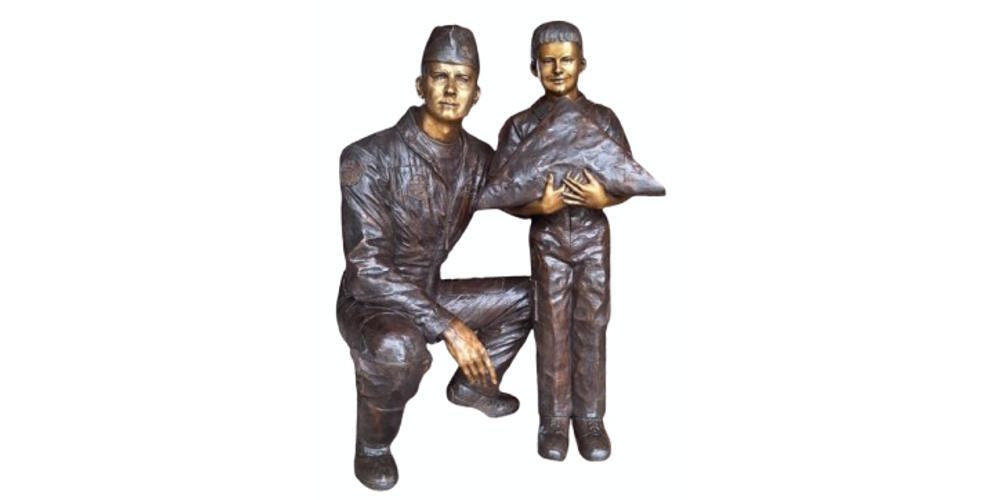
Following final metal chasing, the bronze receives a hand-applied patina that enhances its depth, character, and realism while protecting the surface for years to come. A durable protective wax coating is then applied to help preserve the finish. The completed Dan Rooney & Jacob Green Bronze Tribute stands as a lasting symbol of honor, sacrifice, and the mission of Folds of Honor. From a single photograph to a completed bronze memorial, this project demonstrates how modern technology and traditional craftsmanship came together to create a tribute that will inspire future generations.

Support the Mission of Folds of Honor

Inspired by this story? Help provide educational scholarships to the spouses and children of America’s fallen or disabled military service members and first responders by supporting Folds of Honor. Every meaningful bronze sculpture begins with an idea. This one began with a single photograph. The image of Lt. Col. Dan Rooney and Jacob Green captured the spirit of the Folds of Honor mission and became the inspiration for this bronze tribute. It served as the foundation for the project, guiding every step of the creative process that followed. What began as a single photograph would ultimately become a handcrafted bronze memorial through advanced 3D facial scanning, the traditional lost-wax bronze casting process, and the artistry of skilled sculptors and craftsmen.

The journey from photograph to bronze began with advanced 3D facial scanning technology. Using high-resolution digital scanning equipment, precise measurements of Lt. Col. Dan Rooney’s facial features were captured in just minutes. This non-invasive process records thousands of points of reference, creating an accurate digital foundation that preserves the unique characteristics, proportions, and expression of the individual.

Unlike traditional portrait sculpting that relies solely on photographs, 3D facial scanning provides our artists with an exceptionally accurate starting point. The digital scan is then refined by skilled sculptors, combining modern technology with centuries-old artistic craftsmanship to ensure the finished bronze tribute captures both the likeness and spirit of the person being honored.

Support the Mission of Folds of Honor

Donate to Folds of Honor button supporting educational scholarships for the spouses and children of America's fallen or disabled military service members and first responders.
Support the mission of Folds of Honor by helping provide educational scholarships to military and first responder families.

From Photograph to Bronze: The Dan Rooney & Jacob Green Bronze Tribute

The Photograph That Inspired the Bronze Tribute

Lt. Col. Dan Rooney with Jacob Green, the photograph that inspired the custom bronze tribute created for Folds of Honor.

This original photograph of Lt. Col. Dan Rooney and Jacob Green that inspired the custom bronze tribute created for Folds of Honor.

Some bronze sculptures commemorate history. Others preserve a mission. This bronze tribute does both. Inspired by the original photograph of Lt. Col. Dan Rooney and Jacob Green, the sculpture was created to capture the emotion, patriotism, and purpose represented in that unforgettable moment. Every element—from their expressions and clothing to the carefully folded American flag—became an important part of transforming the photograph into a permanent bronze tribute for Folds of Honor.

Bronze Depot was honored to transform that vision into a lasting bronze tribute by combining advanced 3D facial scanning technology with the centuries-old lost-wax bronze casting process. From the original concept sketch to the finished bronze sculpture, every stage of the project was documented, demonstrating how modern digital technology and traditional bronze craftsmanship come together to create museum-quality bronze art that will endure for generations.

From Digital Scan to Physical Prototype

3D facial scanning of Lt. Col. Dan Rooney for a custom bronze tribute created for Folds of Honor.
Advanced 3D facial scanning captures precise facial measurements
                                         that serve as the digital foundation for the Dan Rooney bronze tribute.

When the facial scan was complete, the digital data was processed into a highly accurate three-dimensional model. Every contour, proportion, and facial feature was accurately preserved to create a precise digital representation of Lt. Col. Dan Rooney. This digital model became the foundation for the next stage of the process, providing the sculptor with an exceptionally accurate reference before work began on the clay sculpture.

When the digital model was finalized, it was transformed into a physical prototype using advanced 3D printing technology. Layer by layer, the printer reproduced the digital file with remarkable accuracy, creating a detailed three-dimensional prototype of Lt. Col. Dan Rooney’s head. This printed prototype allowed the sculptor to study the likeness from every angle, verify facial proportions, and maintain consistency as the life-size clay sculpture was developed. By combining advanced digital technology with traditional sculpting techniques, Bronze Depot established a precise foundation before the first piece of clay was ever applied.

Digital workflow showing the transformation of Lt. Col. Dan Rooney from a facial photograph to a 3D scanned model and printed prototype for the custom Folds of Honor bronze tribute.
This four-image sequence illustrates the digital workflow used to create the Dan Rooney bronze tribute. Beginning with the original photograph, advanced 3D facial scanning captured an accurate digital model that was transformed into a 3D printed prototype, providing the sculptor with a precise physical reference before traditional clay sculpting began.

Building the Internal Support Structure
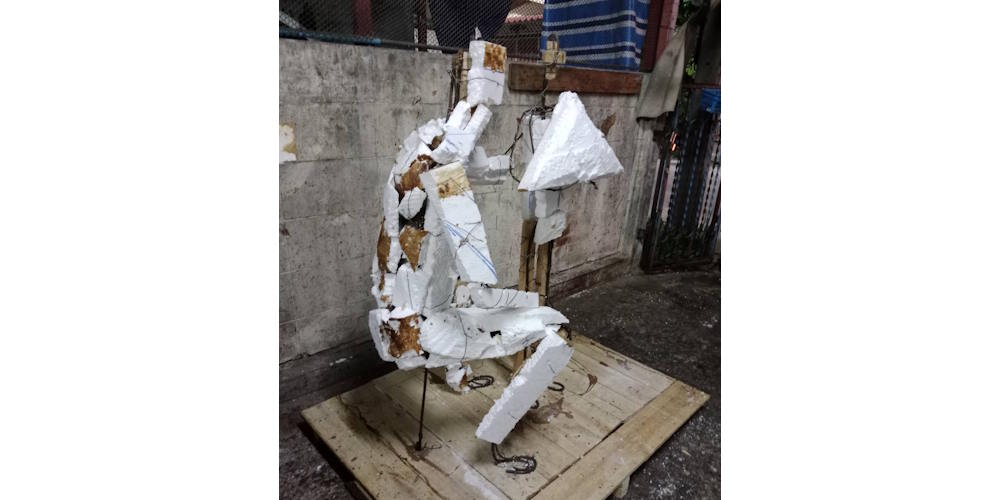
Final Clay Refinement

With the primary clay forms established, the sculptor began the painstaking process of refining every detail. Using the 3D printed prototype, reference photographs, and artistic expertise, subtle adjustments were made to the facial features, posture, clothing, and proportions until the sculpture accurately reflected Lt. Col. Dan Rooney’s likeness. As the sculpture progressed, every surface was carefully shaped by hand, from the natural folds of the uniform to the smallest facial expressions and insignia. This stage required countless hours of observation and refinement, ensuring the finished clay sculpture captured both the physical likeness and the character of the subject before mold making began.
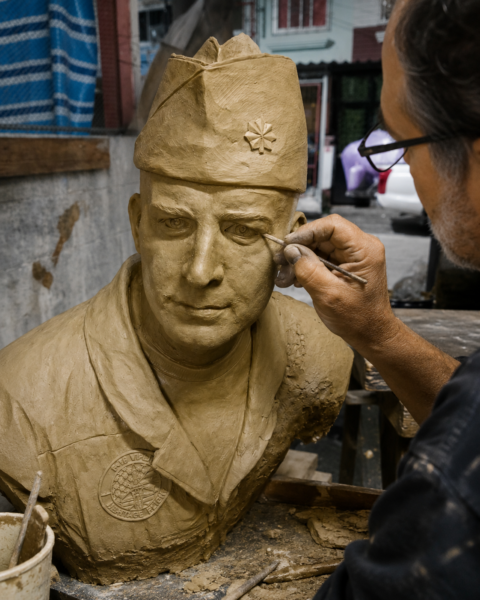
Sculptor refining the clay likeness of Lt. Col. Dan Rooney using the 3D printed prototype and digital reference to create a custom bronze tribute for Folds of Honor.
Using the 3D printed prototype as a guide, the sculptor carefully refined the life-size clay sculpture before mold making and bronze casting began.

Completed Life-Size Clay Sculpture

After countless hours of sculpting, refinement, and comparison with reference photographs, the life-size clay sculpture of Lt. Col. Dan Rooney and Jacob Green was finally completed. Every facial feature, uniform detail, body proportion, and expression was carefully perfected by hand to accurately capture both the likeness of the subjects and the emotional significance of the tribute. Before the mold-making process could begin, the finished clay sculpture was thoroughly inspected from every angle to ensure every detail met the highest standards of accuracy and craftsmanship. These images document the completed clay sculpture just before it entered the next stage of the traditional lost-wax bronze casting process.
Preparing the Clay Sculpture for Mold Making

Before the bronze casting process can begin, the completed clay sculpture must be carefully divided into individual sections. Each section is strategically separated along natural seams so flexible rubber molds can be created without damaging the finished sculpture. Every piece is labeled and documented to ensure perfect alignment during reassembly. Although it may appear destructive, this is a critical step in the traditional lost-wax bronze casting process and allows every detail of the original clay sculpture to be faithfully reproduced in bronze.

Creating the Rubber Molds

With the clay sculpture separated into individual sections, mold making could begin. Skilled mold makers carefully applied multiple layers of flexible rubber over each clay component, capturing every contour, texture, and sculpted detail. Once the rubber cured, a rigid fiberglass mother mold was created around each section to provide strength and maintain the mold’s exact shape. Together, the rubber mold and fiberglass shell formed a precise negative impression that would be used to produce wax replicas for the traditional lost-wax bronze casting process.
Bronze Casting: Transforming Wax Into Solid Bronze

Once the ceramic shells had completely cured, they were heated in a kiln to melt away the wax, leaving a hollow cavity that precisely matched the original sculpture. Molten bronze, heated to more than 2,000°F (1,093°C), was then carefully poured into each ceramic shell. After the bronze cooled and solidified, the ceramic shell was broken away to reveal the rough bronze casting. Each bronze section was cast individually before being welded, hand-finished, and assembled into the completed memorial.

Molten bronze being poured into a ceramic shell mold during the traditional lost-wax bronze casting process.
Representative image of molten bronze being poured into a ceramic shell mold during the traditional lost-wax bronze casting process used to create museum-quality bronze sculptures.

Metal Chasing: Blending Every Bronze Section by Hand

Although the memorial is cast in multiple bronze sections, the finished sculpture appears as a single seamless work of art. Skilled craftsmen carefully weld each individual casting together before beginning the painstaking process known as metal chasing. During metal chasing, every weld is ground smooth and the original sculpted detail is recreated entirely by hand. Uniform folds, facial features, equipment, boots, insignia, and every fine texture are meticulously restored until no evidence of the individual castings remains. The result is a museum-quality bronze memorial that faithfully preserves every detail of the original clay sculpture.

The Completed Bronze Tribute

Following final metal chasing, the bronze receives a hand-applied patina that enhances its depth, character, and realism while protecting the surface for years to come. A durable protective wax coating is then applied to help preserve the finish. The completed Dan Rooney & Jacob Green Bronze Tribute stands as a lasting symbol of honor, sacrifice, and the mission of Folds of Honor. From a single photograph to a completed bronze memorial, this project demonstrates how modern technology and traditional craftsmanship came together to create a tribute that will inspire future generations.
Support the Mission of Folds of Honor

Inspired by this story? Help provide educational scholarships to the spouses and children of America’s fallen or disabled military service members and first responders by supporting Folds of Honor. Every meaningful bronze sculpture begins with an idea. This one began with a single photograph. The image of Lt. Col. Dan Rooney and Jacob Green captured the spirit of the Folds of Honor mission and became the inspiration for this bronze tribute. It served as the foundation for the project, guiding every step of the creative process that followed. What began as a single photograph would ultimately become a handcrafted bronze memorial through advanced 3D facial scanning, the traditional lost-wax bronze casting process, and the artistry of skilled sculptors and craftsmen.

The journey from photograph to bronze began with advanced 3D facial scanning technology. Using high-resolution digital scanning equipment, precise measurements of Lt. Col. Dan Rooney’s facial features were captured in just minutes. This non-invasive process records thousands of points of reference, creating an accurate digital foundation that preserves the unique characteristics, proportions, and expression of the individual.

Unlike traditional portrait sculpting that relies solely on photographs, 3D facial scanning provides our artists with an exceptionally accurate starting point. The digital scan is then refined by skilled sculptors, combining modern technology with centuries-old artistic craftsmanship to ensure the finished bronze tribute captures both the likeness and spirit of the person being honored.

Support the Mission of Folds of Honor

Donate to Folds of Honor button supporting educational scholarships for the spouses and children of America's fallen or disabled military service members and first responders.
Support the mission of Folds of Honor by helping provide educational scholarships to military and first responder families.